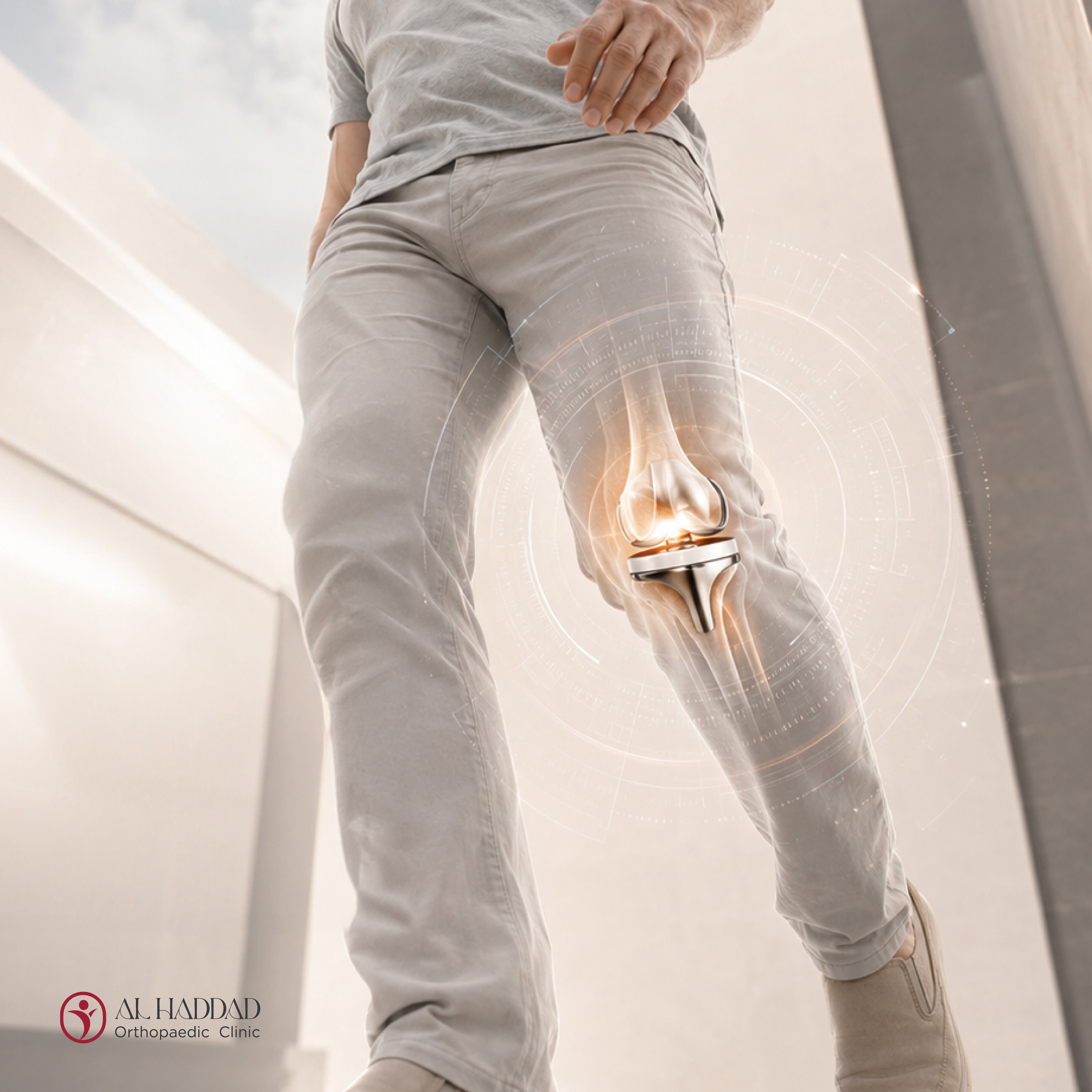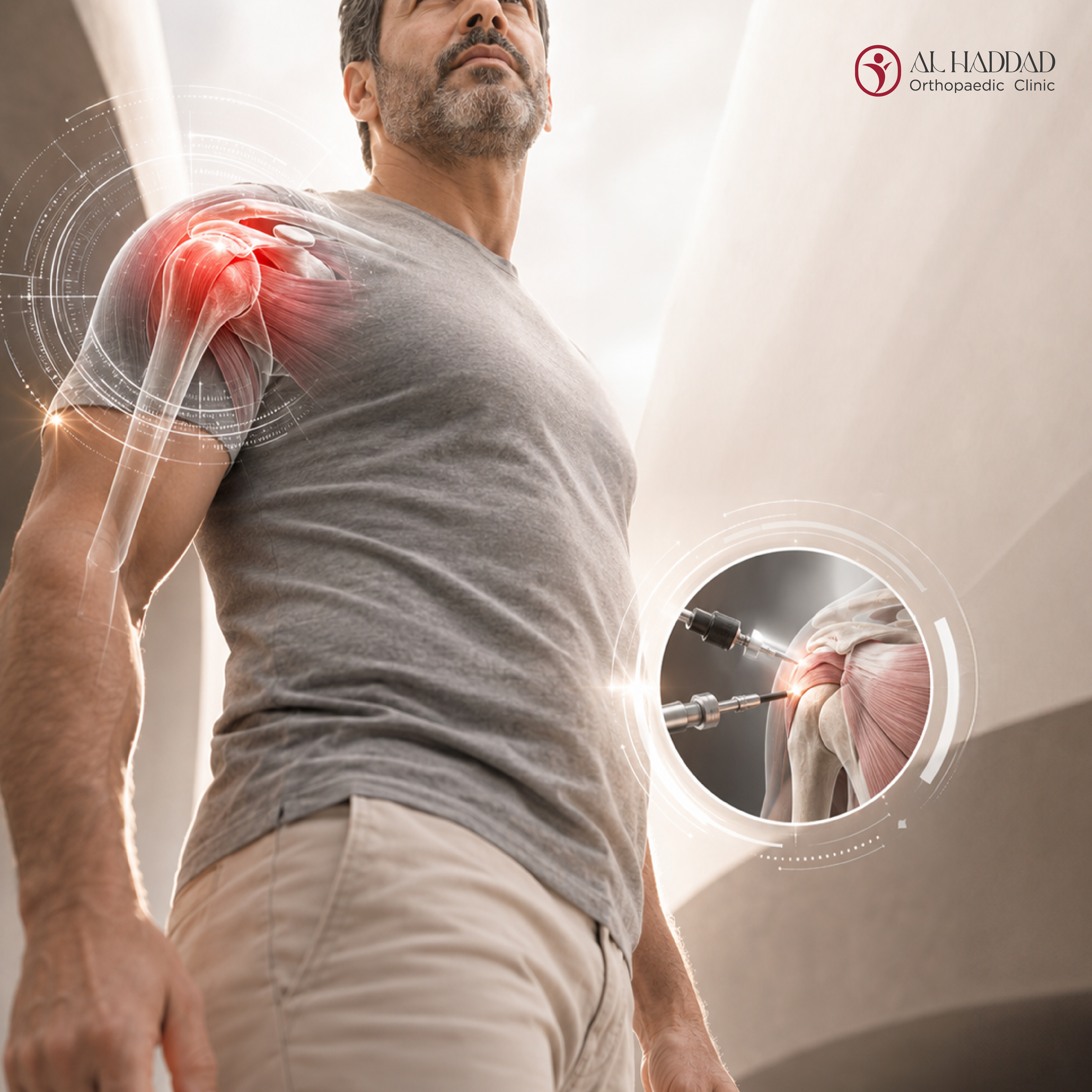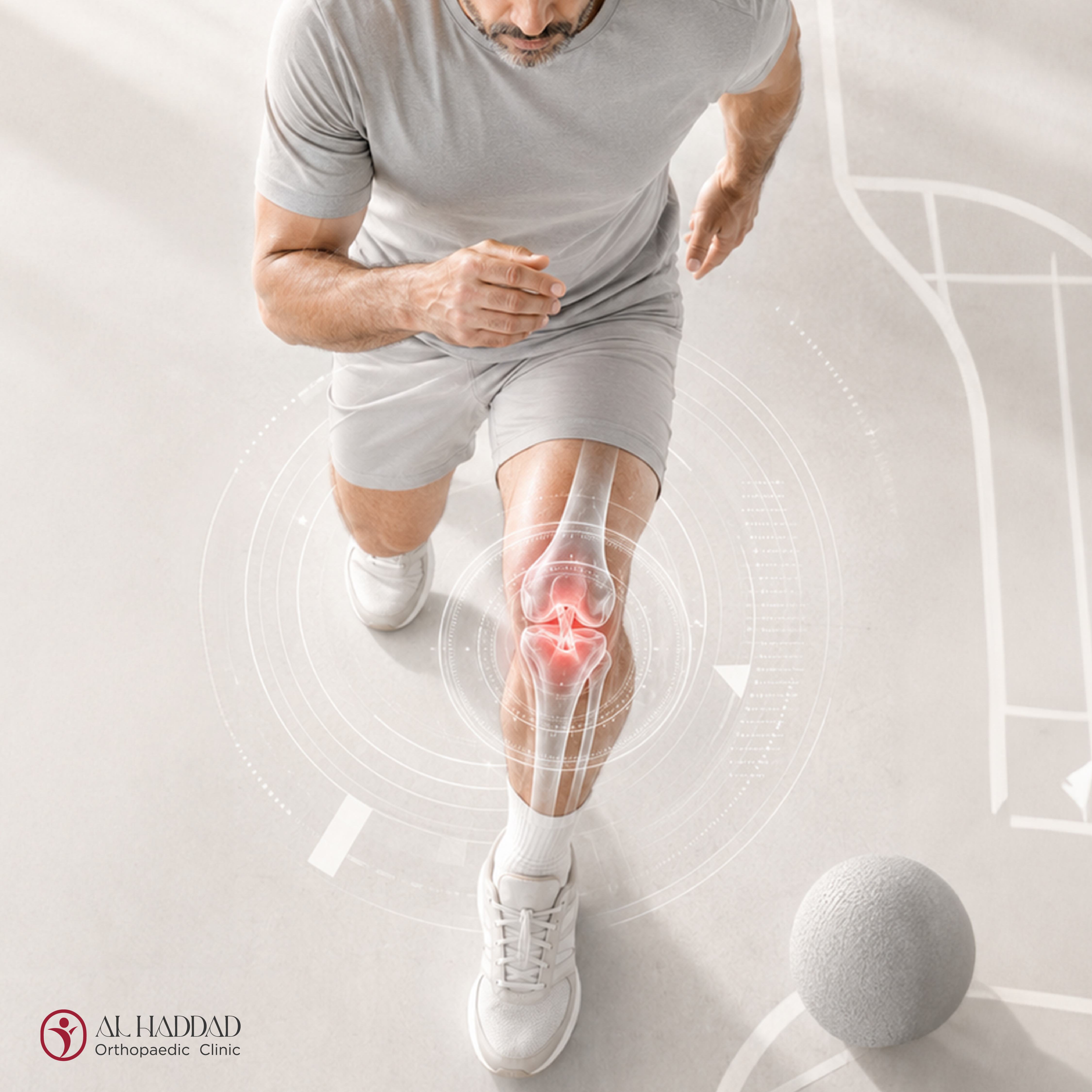
Introduction: An Anterior Cruciate Ligament (ACL) tear is often regarded as the ultimate nightmare threatening the career of athletes, whether they are professionals or passionate amateurs. This common injury frequently transpires on the field during sports like football, basketball, and skiing, which demand sudden pivoting, sharp cutting turns, or jumping and landing. However, with the rapid evolution of sports medicine and arthroscopic joint surgery, an ACL tear no longer spells the end of an athletic career—it is simply a temporary hurdle that can be successfully overcome to return to peak physical performance.
Understanding the ACL Injury and Acute Symptoms:
The ACL is one of the four major ligaments that connect the thigh bone (femur) to the shin bone (tibia), providing primary stability by preventing the shin from sliding forward out of place. When a tear occurs, the athlete typically hears or feels a distinct “pop” inside the knee, followed immediately by sharp pain and the inability to continue playing. Rapid, significant swelling usually develops within the first few hours due to internal bleeding, followed by a persistent feeling of instability, or the sensation that the knee is “giving out” during walking or turning.
The Advanced Canadian Approach to Keyhole ACL Surgery: The extensive expertise I acquired during my Sports Medicine clinical fellowship at McMaster University in Canada refined my practice in adopting the latest global protocols for ACL reconstruction. Today, we rely on advanced arthroscopic, minimally invasive techniques. The entire procedure is performed through tiny keyhole incisions to harvest and precisely graft a new tendon to replace the torn ligament. This modern approach ensures the preservation of healthy joint tissue, substantially lowers post-operative pain, and guarantees a cosmetically optimal outcome with no large surgical scars.
The Secret to Success: The Synergy Between Arthroscopy and Specialized Rehabilitation:
An athlete must realize that a successful return to sports does not solely rely on the surgeon’s skills in the operating room. It is a dual equation: 50% is precise surgery, and the other 50% is strict adherence to a structured physical rehabilitation program. The recovery protocol consists of carefully designed phases:
- Phase 1: Controlling pain and swelling, restoring full range of motion, and reactivating the quadriceps muscle.
- Phase 2: Rebuilding muscle strength, core stability, and neuromuscular control to protect the joint.
- Phase 3: Sports-specific training, re-introducing running, jumping, cutting, and agility drills.
Return to Play Criteria: A safe return to competitive sports is not judged merely by a timeline (which usually spans 6 to 9 months); rather, it depends on passing rigorous functional and biomechanical tests. These tests must prove that the muscular strength and stability of the injured knee are at least 90% equivalent to the healthy limb, ensuring the prevention of reinjury and safeguarding the athlete’s long-term career.