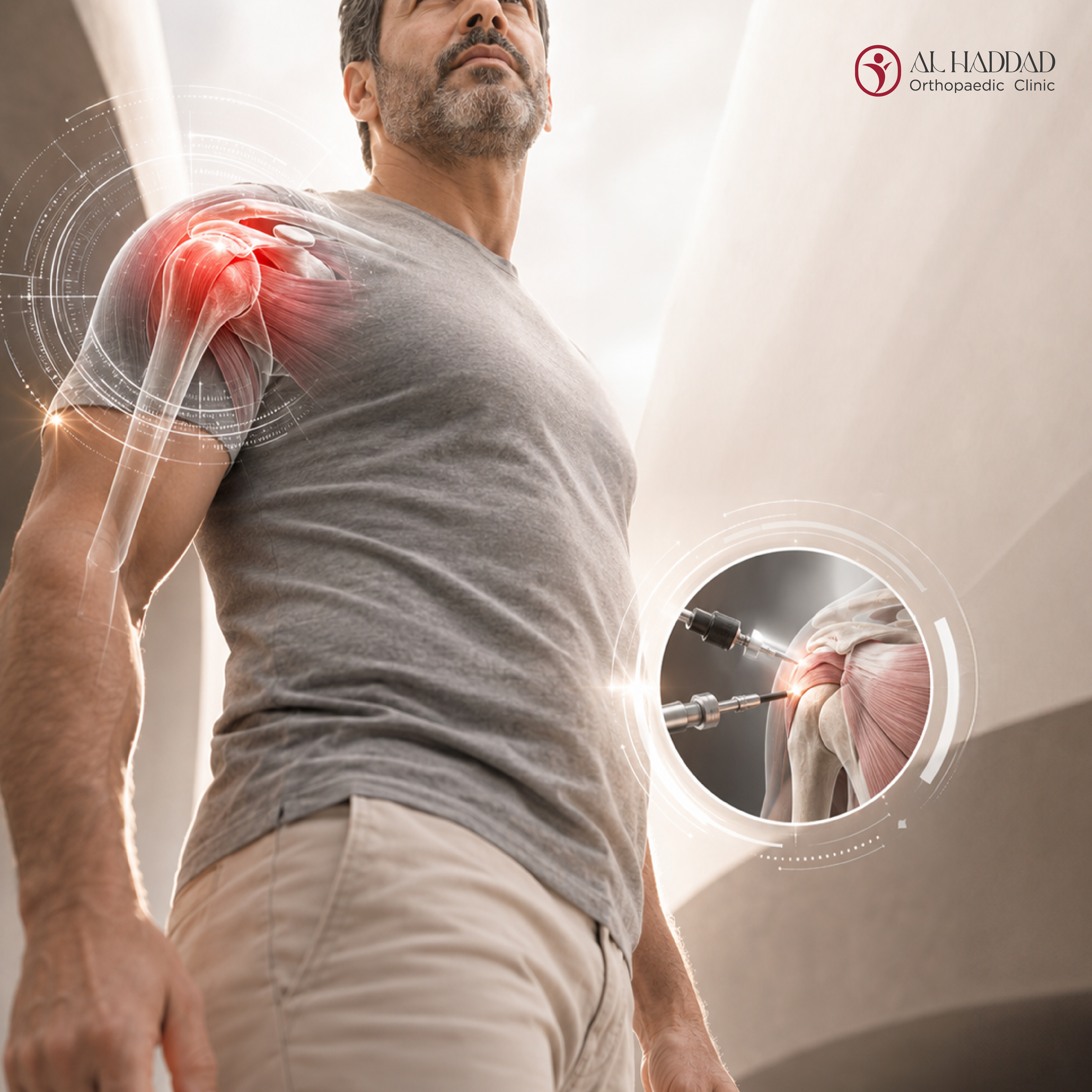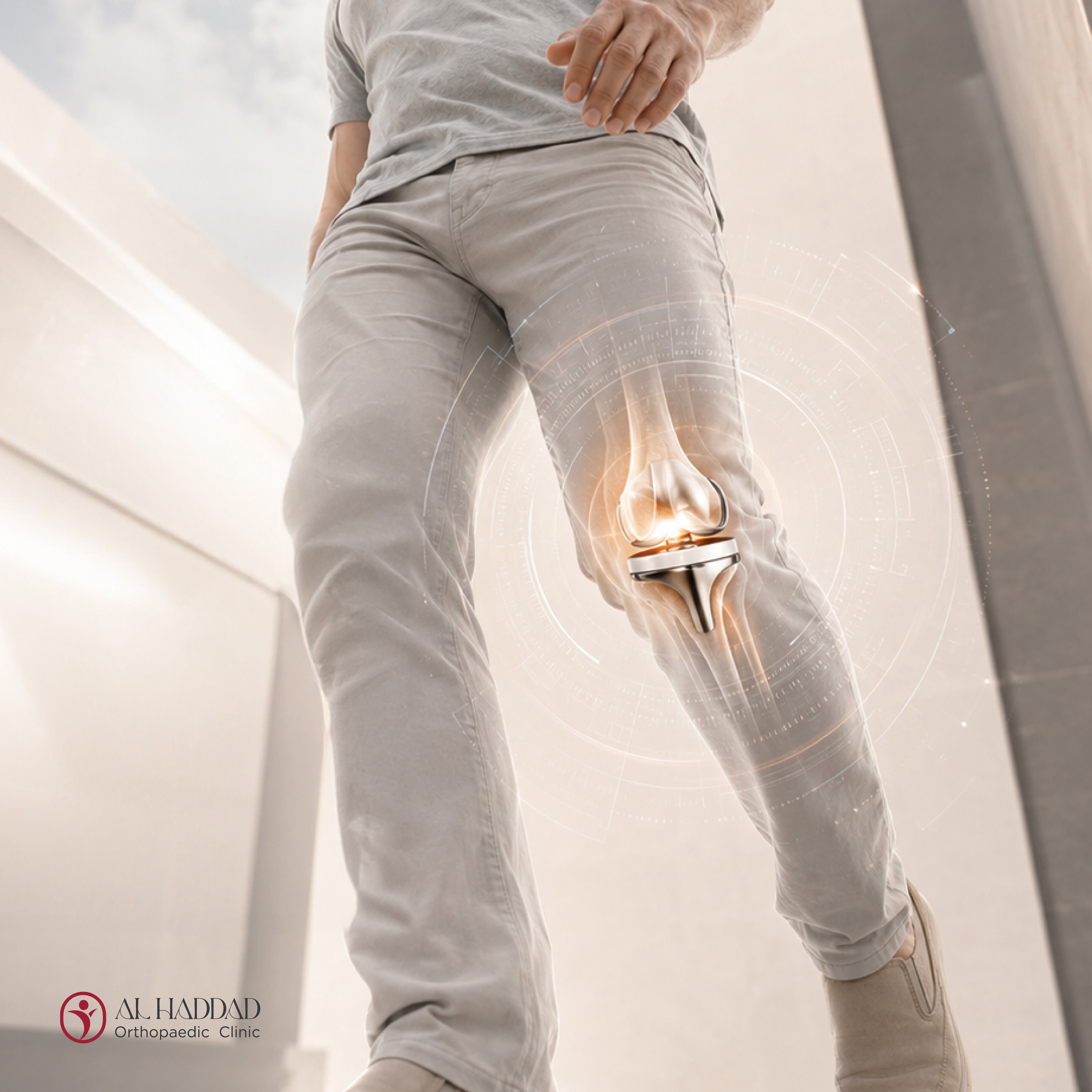
Joint replacement surgery (Arthroplasty) is one of the most successful and advanced surgical procedures in modern medicine. The primary goal of this surgery is to replace damaged or worn-out natural joint surfaces with precision-engineered artificial components designed to function just like a healthy, natural joint. Orthopedic surgeons recommend this option when chronic pain severely impacts daily life—making simple tasks like walking, climbing stairs, or even getting a good night’s sleep nearly impossible.
When Does Joint Replacement Become a Necessity?
Surgery is rarely the first step. It is typically considered after conservative, non-surgical treatments—such as physical therapy, anti-inflammatory medications, and joint injections—have failed to provide relief. The primary conditions leading to joint replacement include:
- Severe Osteoarthritis: The wear and tear of the protective cartilage covering the bone ends, leading to painful bone-on-bone friction.
- Rheumatoid Arthritis: An autoimmune disorder where chronic inflammation attacks and gradually destroys the joint lining.
- Severe Fractures and Trauma: Such as femoral neck fractures in elderly patients, which struggle to heal naturally due to poor blood supply.
- Avascular Necrosis (Osteonecrosis): A lack of blood supply to the bone (especially the femoral head), causing the bone tissue to die and the joint to collapse.
Steps of the Surgical Procedure
The surgery typically takes between one to two hours under general or regional (spinal) anesthesia. The surgeon follows a meticulous sequence to ensure optimal stability and alignment of the implant:
1.Incision and Access:Initial Step.
The surgeon makes a precise incision over the joint, gently moving aside muscles and tendons to fully expose the damaged area.
2.Removing Damaged Tissue:Clearing the Joint.
The worn-out cartilage and a thin layer of damaged bone beneath it are precisely shaved and reshaped to accommodate the new implant.
3.Securing the Prosthesis:Inserting the Implant.
The metal components (typically made of biocompatible titanium or cobalt-chromium alloys) are securely anchored to the bone using bone cement or a press-fit method that allows bone to grow into the implant.
4.Placing the Spacer:Simulating Cartilage.
A highly durable, medical-grade plastic spacer (polyethylene) is inserted between the metal parts to mimic natural cartilage, ensuring smooth, friction-free movement.
Recovery and Physical Rehabilitation
The long-term success of the surgery relies just as much on post-operative rehabilitation as it does on surgical skill. Assisted movement and basic walking with a physical therapist begin as early as day one or two after the operation.
Key to Success: Consistent physical therapy and targeted home exercises are crucial. They strengthen the surrounding muscles, restore full range of motion, and prevent joint stiffness.
While full recovery and muscle strengthening can take several months, most patients can return to light daily activities and resume driving within 4 to 6 weeks. Thanks to advanced materials and modern surgical techniques, today’s joint replacements can last 15 to 20 years or more, giving patients a new lease on a pain-free, active life.